Rustproofing a new car: necessary or not?
Annual oil, grease, permanent treatment or electronic module? What your new car's warranty already covers, what each treatment costs in Quebec and which one to choose.

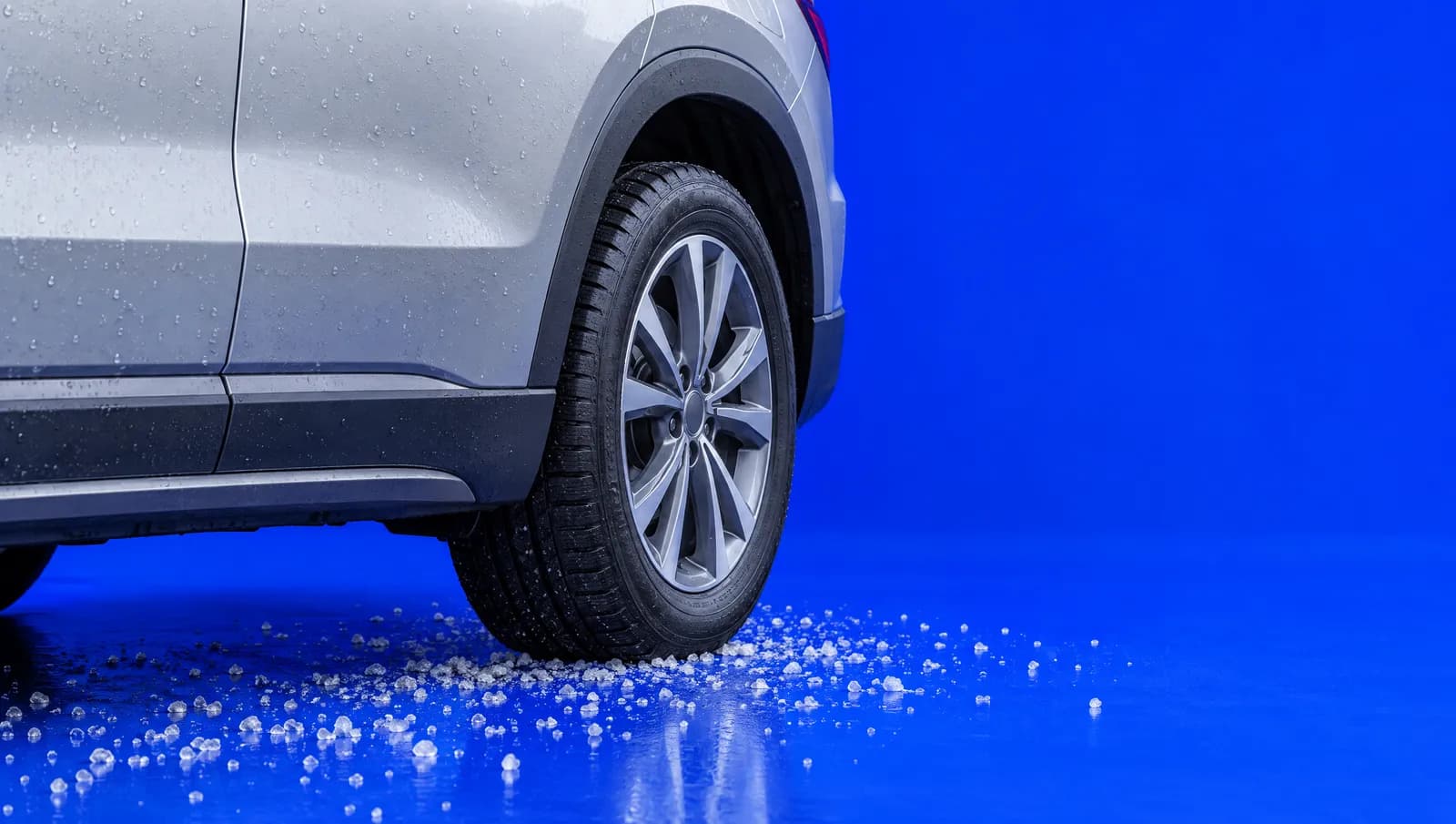
Every winter, Quebec's transportation ministry spreads more than 775,000 tonnes of salt on the province's roads. No wonder the sales rep offers you rustproofing the day you buy your new car. But do you really need it, and which kind should you choose?
The short answer
Your new car is already protected against perforation by the manufacturer's warranty, usually for 5 to 7 years with unlimited mileage. A rustproofing treatment is still useful if you plan to keep the car for a long time, beyond that warranty, or want to protect areas the warranty does not cover. The most common and most recommended choice is oil applied every year, for about $100 to $175. Avoid electronic modules: there is no clear evidence that they replace a traditional treatment.
What your car's warranty already covers
Every manufacturer offers anti-corrosion coverage on a new car. It mainly covers perforation: rust that starts on the inside of the metal and eventually eats all the way through it. It generally does not cover rust caused by a scratch or a stone chip.
Make | Perforation warranty (2026) |
|---|---|
Toyota | 5 years, unlimited mileage |
Honda | 5 years, unlimited mileage |
Hyundai | 5 years, unlimited mileage |
Kia | 5 years, unlimited mileage |
Nissan | 5 years, unlimited mileage |
Subaru | 5 years, unlimited mileage |
Ford | 5 years, unlimited mileage |
Mazda | 7 years, unlimited mileage |
Volkswagen | 7 years, unlimited mileage |
Chevrolet, Buick and GMC | 6 years or 160,000 km |
Source: CAA-Québec, 2026 Manufacturer Warranties, and the manufacturers' Canadian websites. Exact terms vary by model: read your vehicle's warranty booklet.
Bottom line: if you change cars every four or five years, the warranty covers almost the entire time you own it. If you keep it ten years, rustproofing makes the biggest difference after the warranty runs out.
Types of treatments
Liquid oil, every year
The product is sprayed under the car and into the cavities, where it seeps into hard-to-reach corners. It is the most common method in Quebec.
Pros: gets in everywhere, moderate price, easy to redo.
Cons: has to be redone every year; the product can drip for a few days after it is applied.
Semi-solid oil
Because it is thicker, it clings better to surfaces, but it gets into tight corners less well.
Grease
A thick paste that stays in place longer and needs to be reapplied about every two or three years, according to Protégez-Vous.
Caution: if it is applied poorly, it can block the body's drain holes, which keeps water trapped inside. That is the opposite of what you want.
The “permanent” treatment
Often offered at the dealership when you buy. It promises lasting protection with no yearly application. Be careful: it costs more than an annual oil treatment, and its quality depends heavily on how it is applied. Ask exactly which product is used, where it is applied and what its warranty covers.
Electronic modules
A small box connected to the battery that supposedly prevents rust. According to CAA-Québec, the available evidence does not clearly show that these modules effectively replace a traditional treatment, and Protégez-Vous considers any treatment better than nothing, except this one. Best avoided.
What it costs in Quebec
Type of treatment | Approximate price |
|---|---|
Liquid oil | $100 to $175 a year |
Semi-solid oil | $150 to $300 |
Grease | $350 to $750 |
Permanent treatment | $400 to $700 |
Electronic module | from a few hundred dollars to over $1,000 |
Source: CAA-Québec, July 2026. Prices vary by shop and vehicle size: expect to pay more for a large SUV or a pickup truck.
At the dealership, a treatment offered when you buy often costs more than at a specialized shop, and it is frequently added to the financing, which means you also pay interest on it. Ask for its price separately and compare before you accept. You do not have to get it done on the day you buy: you can have it done later, at the shop of your choice.
Does rustproofing void the warranty?
No, not automatically. The manufacturers surveyed by Protégez-Vous do not recommend rustproofing, but they do not forbid it either. What they exclude is damage caused by the treatment: for example, rust that starts from a hole drilled to apply the product, or a product that traps moisture against the sheet metal.
Toyota even states that no rustproofing is needed to keep its perforation warranty. And according to a legal analysis published by RPM in May 2026, it is up to the manufacturer to prove the link between the treatment and the problem.
To keep the risk to a minimum:
choose a shop that uses the factory openings rather than drilling new holes;
keep your invoices for each treatment;
read the corrosion section of your warranty booklet.
Electric and hybrid cars too
An electric car rusts like any other. According to Protégez-Vous, it may even be more exposed, because the plastic panels under the body trap moisture and salt. One important detail: the orange high-voltage cables must never be covered with product. Choose a shop that knows electric vehicles.
Our tips
Check how long your anti-corrosion warranty lasts before paying for a treatment.
If you keep the car for a long time, start early, in the first few years, before rust sets in.
Do it in dry weather, on a clean vehicle. CAA-Québec suggests late summer or fall, before the salt comes back.
Do not skip a year with annual oil: regularity is what protects your car, and the shop's warranty often requires it.
Wash the underside of the car in winter, especially around the wheel arches, whenever the temperature allows.
Touch up paint chips quickly: that is where surface rust starts.
Frequently asked questions
What is the best rustproofing treatment?
For most drivers, oil applied every year offers the best balance of protection and price, because it gets into tight corners. Grease suits people who want a less frequent treatment, as long as it is applied properly.
Which treatment lasts the longest?
Grease and so-called permanent treatments last longer between applications. But “permanent” does not mean maintenance-free: have the treatment inspected regularly.
When is the best time to get rustproofing?
In dry weather, on a clean, dry vehicle. Late summer and early fall let you go into winter protected. Avoid rainy days.
Do you need rustproofing on a leased car?
Rarely. During a three- or four-year lease, the manufacturer's warranty covers perforation. Rustproofing mainly benefits someone who keeps the car for a long time.
Compare offers, rustproofing included
When you get an offer for a new car, check whether rustproofing or other protection products have been added to it, and at what price. As soon as it launches in Quebec, bolyd will let you receive offers from several dealers for the same car and compare what is included, line by line.
To know what to look for, read our guide How to compare dealer offers.
bolyd is coming soon to Quebec
Describe the vehicle you want and get offers from dealers. Leave your email to hear when we open.